How to Stay Bear-Safe in Utah This Summer: Wildlife Experts Share Crucial Tips
By Elizabeth Gunter
With warmer temperatures drawing more Utahns into the outdoors, it’s not just hikers and campers hitting the trails—black bears are waking up and ready to roam.
Black bears are Utah’s only bear species, and while they tend to steer clear of humans, conflicts do happen—especially when food is involved. That’s why the Utah Division of Wildlife Resources (DWR) is encouraging outdoor enthusiasts to brush up on bear safety as summer recreation kicks into high gear.
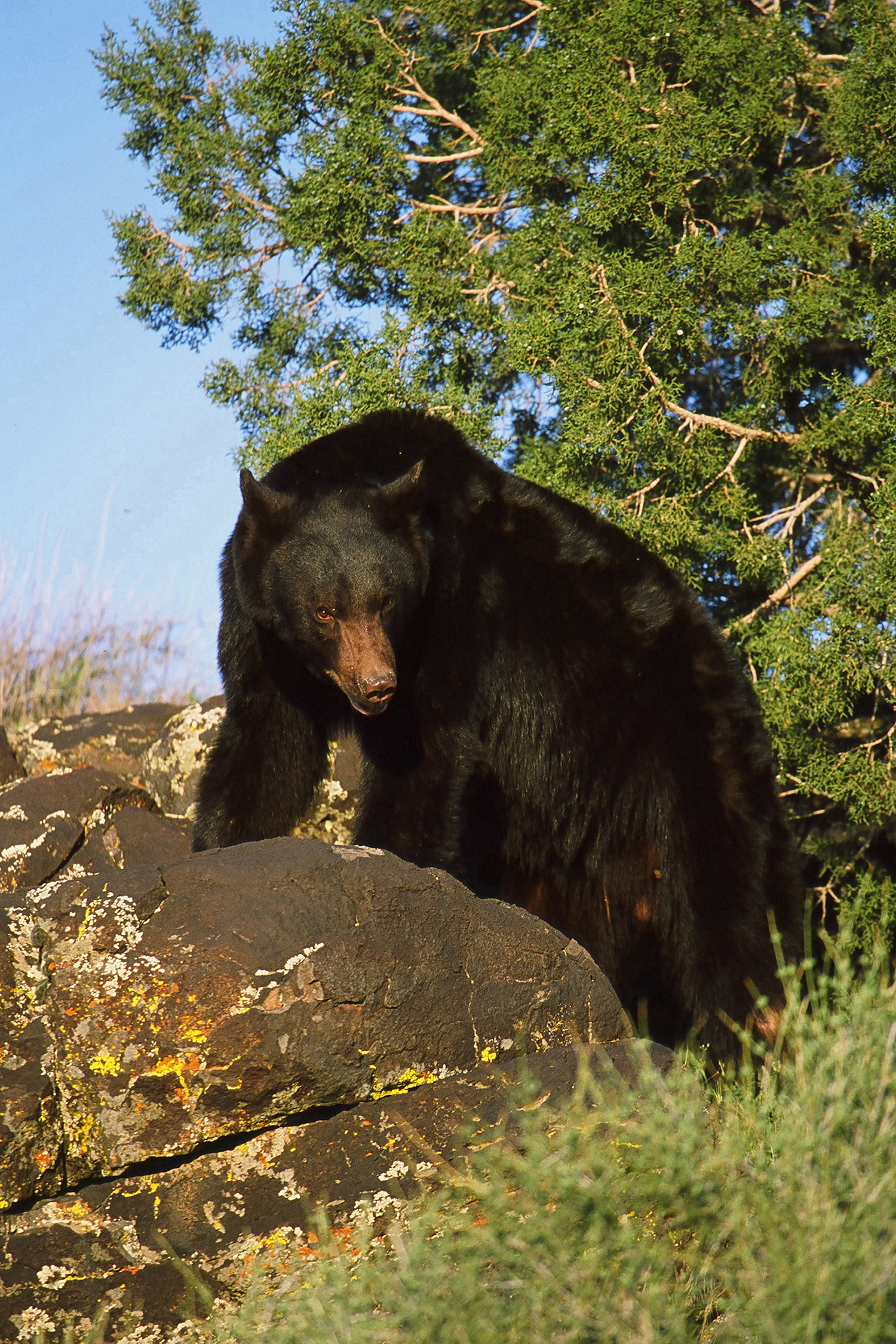
“Even though they’re incredibly strong and surprisingly fast, black bears will typically do everything they can to avoid people,” said Darren DeBloois, DWR Game Mammals Coordinator. “But if a bear finds food, that can all change.”
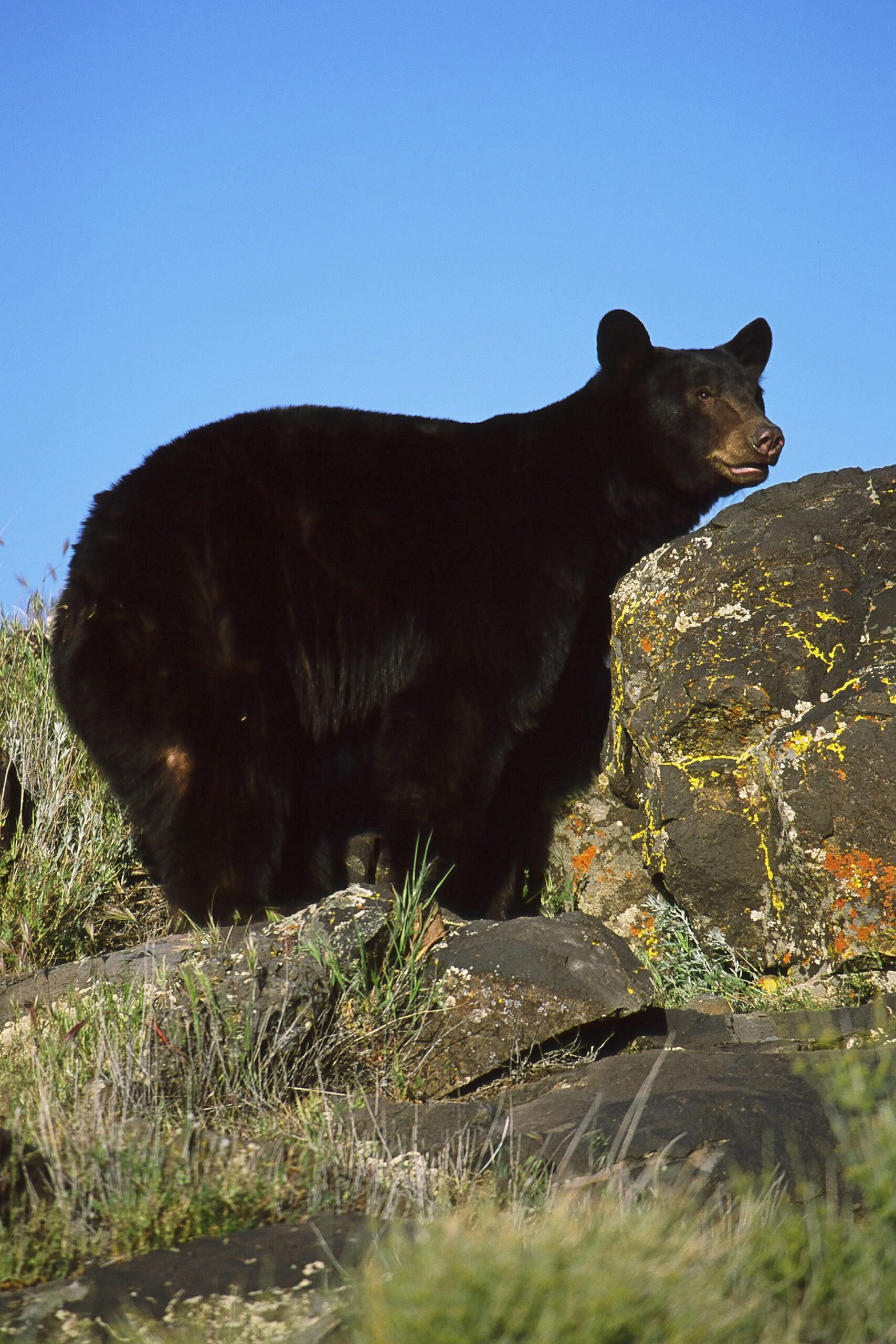
Where Bears Are, and Why They’re a Problem
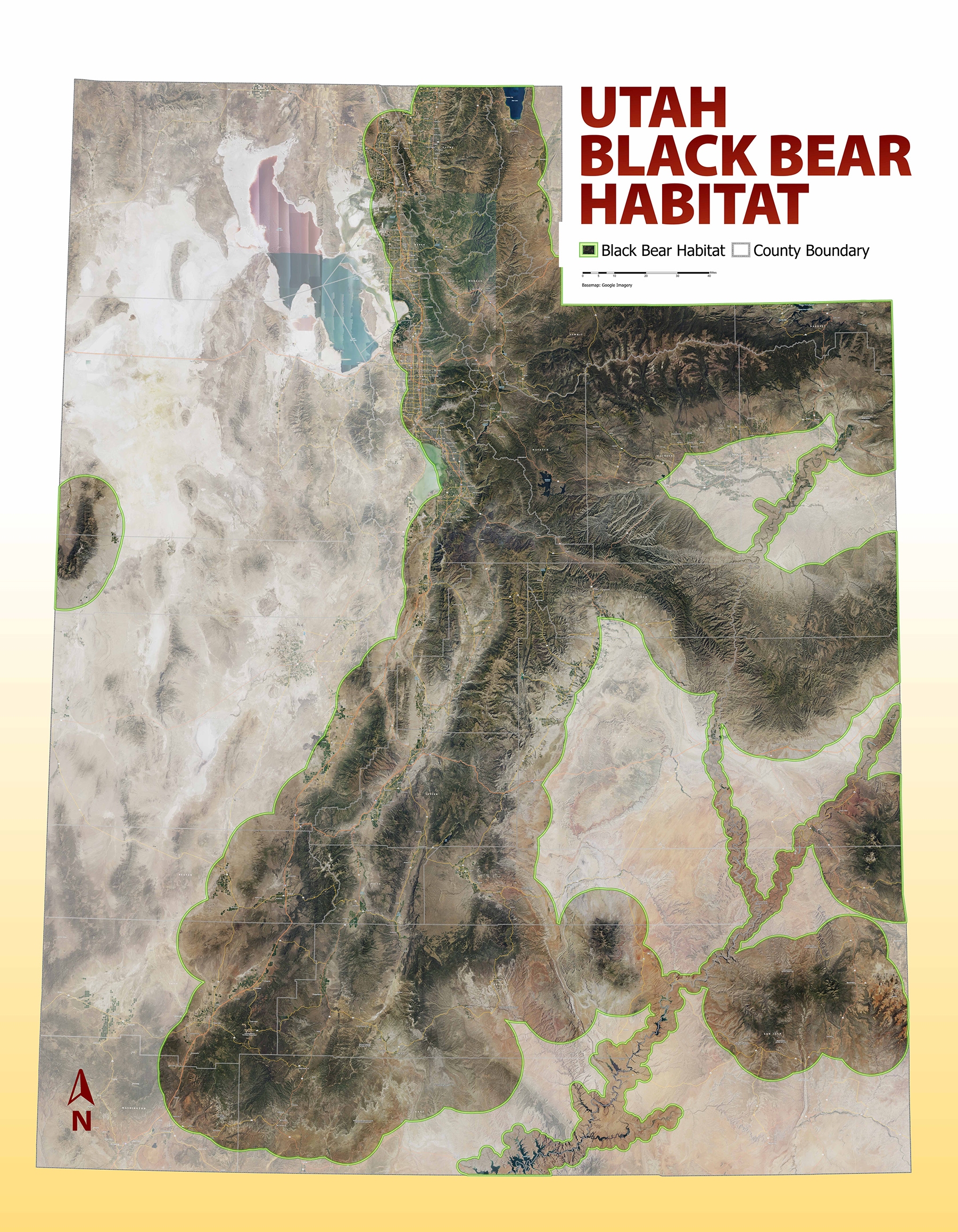
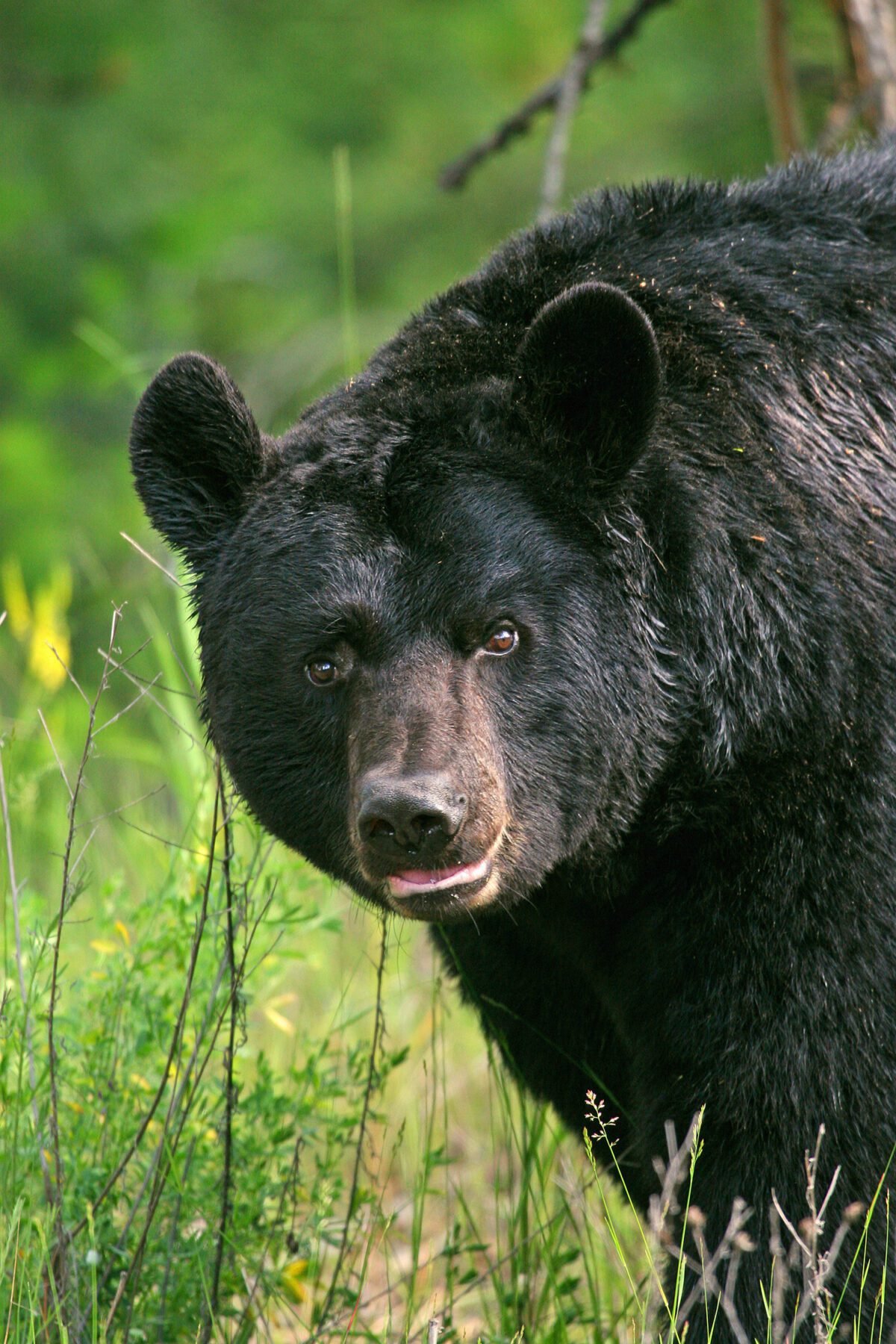
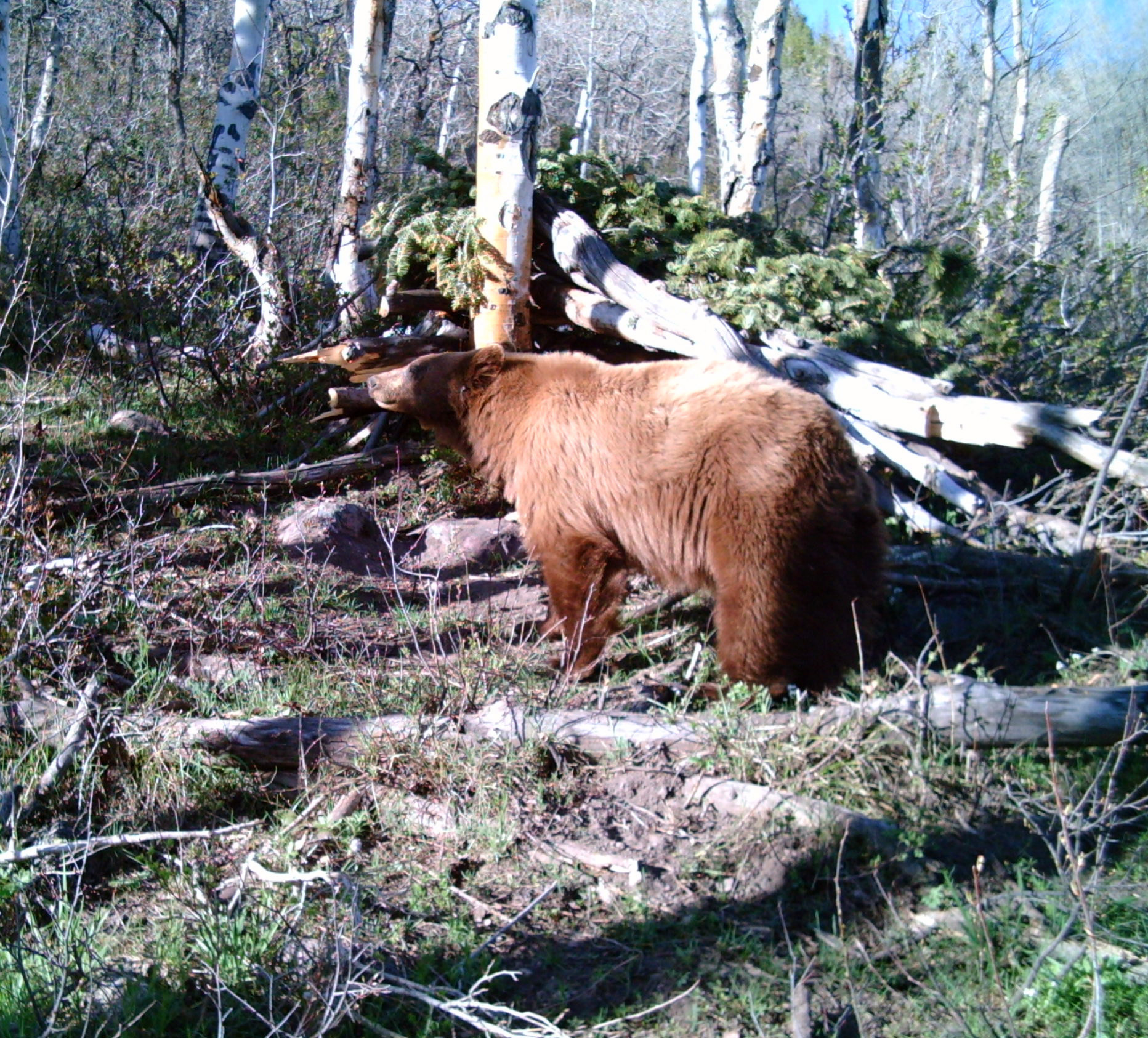
Found across most of Utah—except the West Desert—black bears tend to frequent mountainous areas, foothills, and canyons. In the spring and early summer, their diet is mostly plants and insects. But their powerful sense of smell means any unprotected human food, pet food, or even scented items like toothpaste can lure them in.
Most bear conflicts aren’t the result of aggressive behavior but of curious and hungry bears scavenging for an easy meal. Unfortunately, once a bear associates humans with food, it becomes dangerous—not just for people, but for the bear.
“If a bear loses its fear of people, that puts us in a terrible position,” said DeBloois. “It may ultimately have to be euthanized to protect the public. That’s heartbreaking for all of us who got into this work because we love wildlife.”
Five Smart Ways to Avoid Bear Trouble
- Lock Up Your Food and Gear
Keep all food, snacks, and scented items in a locked trailer or the trunk of your vehicle. Never store them in your tent. Bears will move on if they can’t get a reward. - Clean Up After Cooking
Scrub utensils and cookware thoroughly. Never dump grease or food waste on the ground. Take trash and oil home with you in sealed containers. - Keep Campsites Trash-Free
Leftover food and litter can attract bears even after you’ve left. Always pack out your garbage and clean picnic tables and fire pits before leaving. - Don’t Feed the Bears—Ever
Not even the “cute” cubs. Feeding bears, even unintentionally, is one of the most dangerous things you can do for their long-term survival. - Secure Garbage and Outdoor Attractants at Home
If you live in bear country, use bear-proof garbage cans, and put trash out in the morning—never the night before. Clean up birdfeeders, compost piles, barbecue grills, and fallen fruit.
What to Do if You Encounter a Bear
- Stay calm and stand your ground. Don’t run or climb a tree—bears are fast, and they can climb.
- Know bear body language. Standing up, grunting, or moaning are not signs of aggression—they’re signs of curiosity.
- Use bear spray if needed. If a bear attacks, fight back with whatever you have. People have fended off bears using sticks, rocks, and even water bottles.
When to Report a Bear
Not every sighting is cause for alarm. But call the DWR if:
- A bear is acting aggressively or getting into trash, fruit trees, or structures
- A bear has wandered into a populated neighborhood or city limits
A Shared Responsibility
Utahns and bears can coexist safely—but only if humans do their part. Simple actions like cleaning up campsites and securing trash cans can prevent most bear-related issues before they start.
Want to dive deeper into bear safety? Visit Wild Aware Utah for more tips, or explore the DWR’s guidance on wildlife.utah.gov.
Let’s keep Utah wild—and safe for everyone who calls it home.