
Endangered Species Day is more than a chance to reflect—it’s an opportunity to celebrate progress. Across Utah, three unique species once on the brink are now showing signs of remarkable recovery, thanks to decades of conservation work and collaboration.
There are currently 41 fish, wildlife, and plant species in Utah on the federal endangered species list. But this year, the Utah Division of Wildlife Resources (DWR) is spotlighting three success stories: the June sucker, the humpback chub, and the Ute ladies’-tresses orchid.
“Since 2001, our agency and other partners have helped prevent 20 wildlife species from being listed as endangered or threatened,” said Sarah Seegert, Recovery Programs Director at DWR. “The Utah Wildlife Action Plan continues to guide these efforts, helping prioritize which habitats and species need the most attention.”
What Makes a Species Endangered?
A species is classified as endangered if it faces a serious risk of extinction in all or part of its range. Threatened species are those likely to become endangered in the near future. Utah’s Wildlife Action Plan includes both, plus others considered to be of greatest conservation need.
The U.S. Fish and Wildlife Service oversees species listed under the Endangered Species Act, while the DWR works collaboratively to manage these species on the state level, aiming to prevent new listings by maintaining healthy populations.
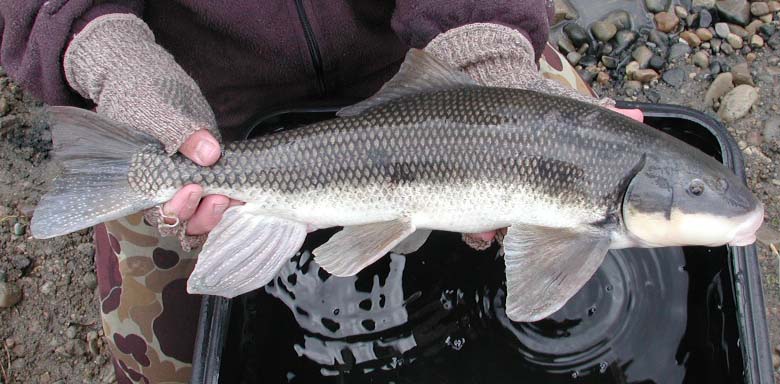
June Sucker: A Utah Native Rebounds
Found only in Utah Lake and its tributaries, the June sucker is a fish species that nearly disappeared due to overharvesting, water flow alterations, habitat loss, and pressure from invasive fish. By the 1980s, fewer than 300 spawning fish remained.
But through partnerships like the June Sucker Recovery Implementation Program and large-scale efforts including the Provo River Delta Restoration Project, the species has rebounded. In 2021, it was officially downlisted from endangered to threatened. Today, an estimated 30,000 to 45,000 June suckers are spawning in Utah Lake.
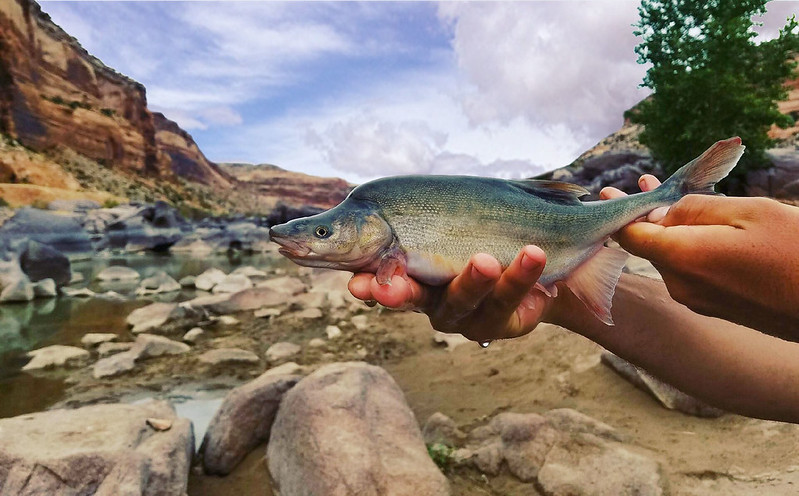
Humpback Chub: A Resilient Survivor
With its distinctive hump and surprising longevity—some live more than 30 years—the humpback chub is a small but hardy native of the Colorado River system. It was listed as endangered in 1973 after dam construction and changes to river flows devastated its habitat.
Thanks to long-term conservation strategies by the Upper Colorado River Endangered Fish Recovery Program, the humpback chub was also downlisted to threatened status in 2021.
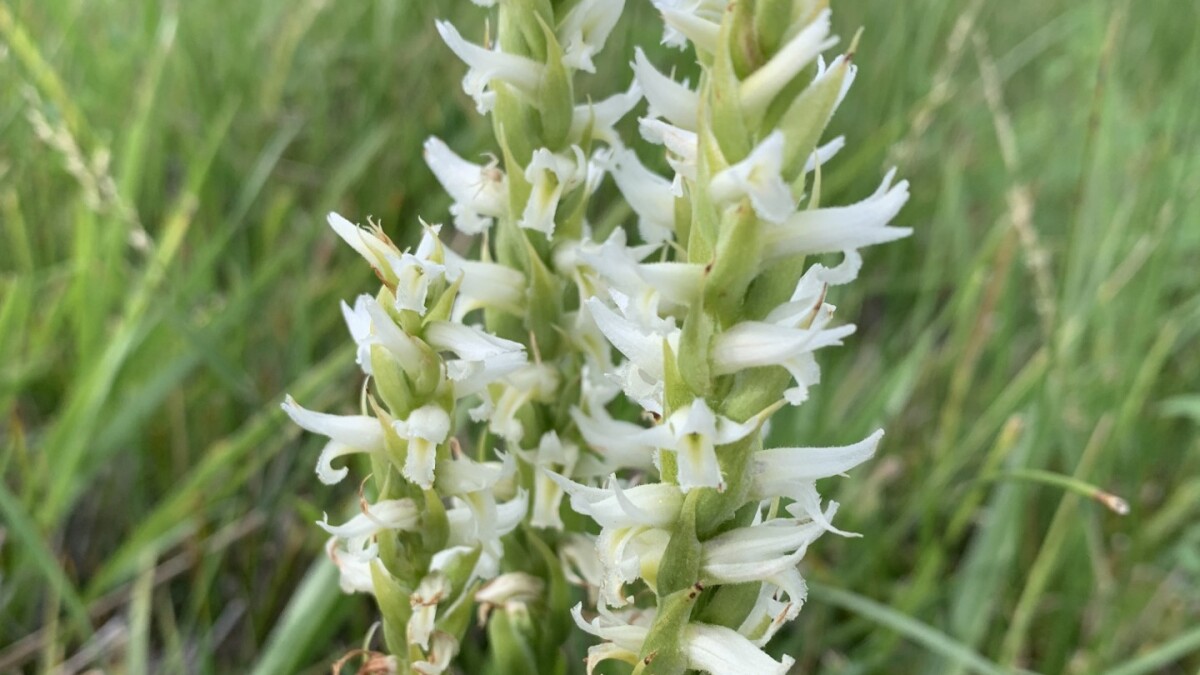
Ute Ladies’-Tresses: A Rare Orchid Expands Its Range
This delicate orchid, known for its spiraled spike of white blossoms, was listed as threatened in 1992 due to habitat loss. Once found only in parts of Utah and Colorado, the Ute ladies’-tresses has benefited from increased surveys, habitat protections, and targeted recovery plans.
Today, it’s known to occur in eight Western states and even into southern British Columbia, Canada. In January 2025, the orchid was proposed for delisting under the Endangered Species Act—a powerful testament to what consistent stewardship can achieve.
“We are extremely grateful to our many partners,” said Seegert. “Keeping these species on the landscape benefits the ecosystems they’re part of—and ensures future generations can experience them too.”