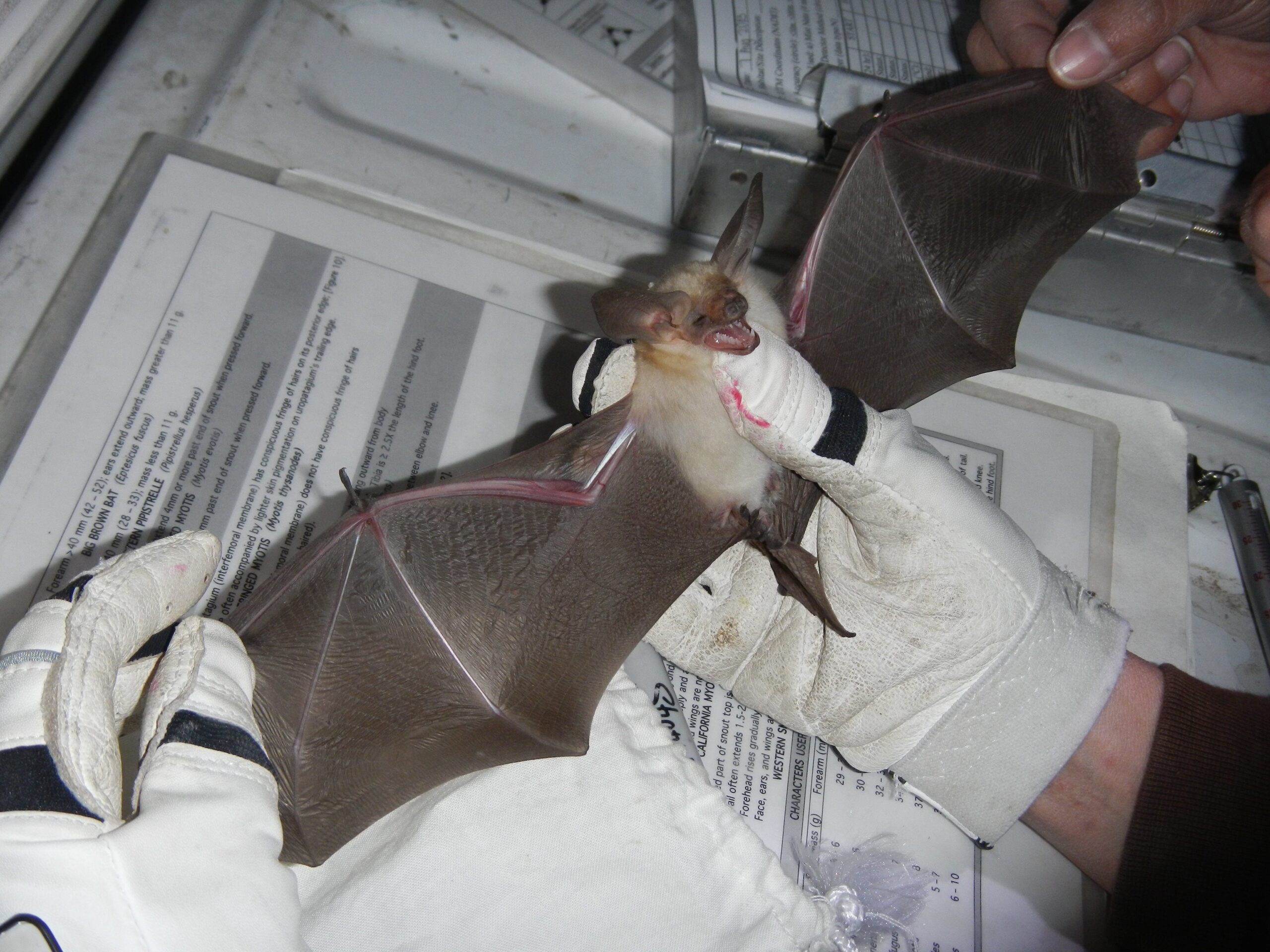
While bats are often associated with Halloween, summer is prime time for bat sightings around homes in Southern Utah. As baby bats, or pups, begin learning to fly, residents may notice more bat activity. The Utah Division of Wildlife Resources (DWR) is reminding homeowners how to safely and legally manage bat encounters—and when to wait before intervening.
Bats in Utah
Utah is home to 18 confirmed species of bats, with the greatest variety found in the southern part of the state. These insect-eating mammals rely on standing water and are particularly active in warm months. Some species hibernate, some migrate, and others remain active year-round.
Most Utah bats hibernate solo or in small groups rather than large colonies, as seen in the eastern U.S. Five species migrate out of the state each fall and return in spring.
Bat Activity Peaks in Summer and Fall
Late summer often sees a spike in bat sightings, especially from migratory species like the Mexican free-tailed bat. That’s also when pups are learning to fly, making July through September a particularly active time.
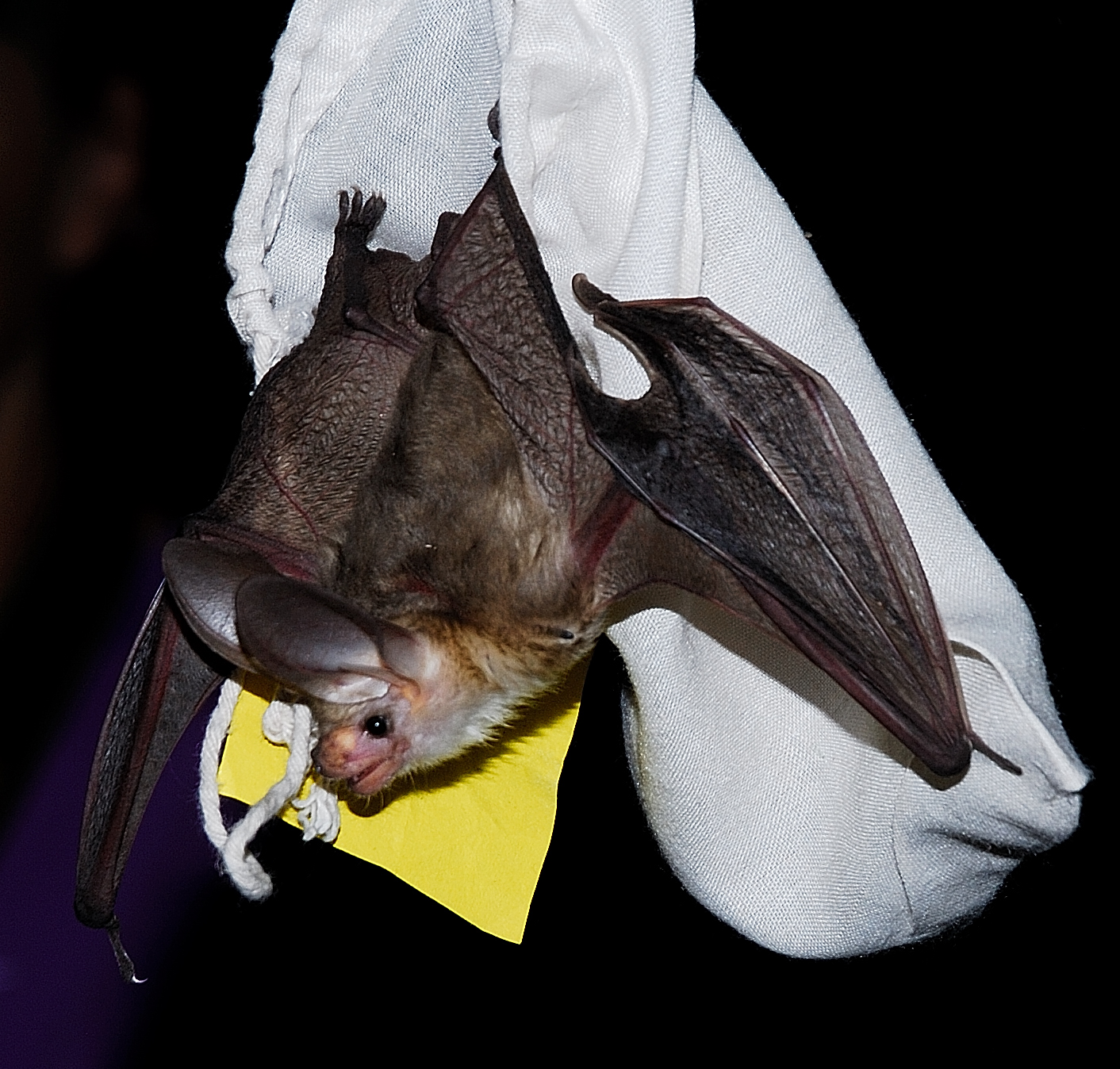
2013 Bat hangs from capture bag Bat Watrch Brent Stettler
“Encounters with bats seem to spike in September,” says Kimberly Hersey, mammal conservation coordinator for the DWR. “But homeowners can take simple steps to prevent conflicts when bats are most active.”
What to Do If Bats Are Roosting in Your Attic
Maternity colonies form in homes as female bats give birth and care for their young. Since the pups cannot fly early on, removing adult bats during this time (June–August) may kill the young. Bat removal during this period is not permitted unless there’s an urgent health risk.
Instead, homeowners should prevent bats from entering living areas and wait until late summer or fall to seal openings. Contact a licensed nuisance wildlife control company for assistance—the DWR works with these experts to ensure safe removal when permitted.
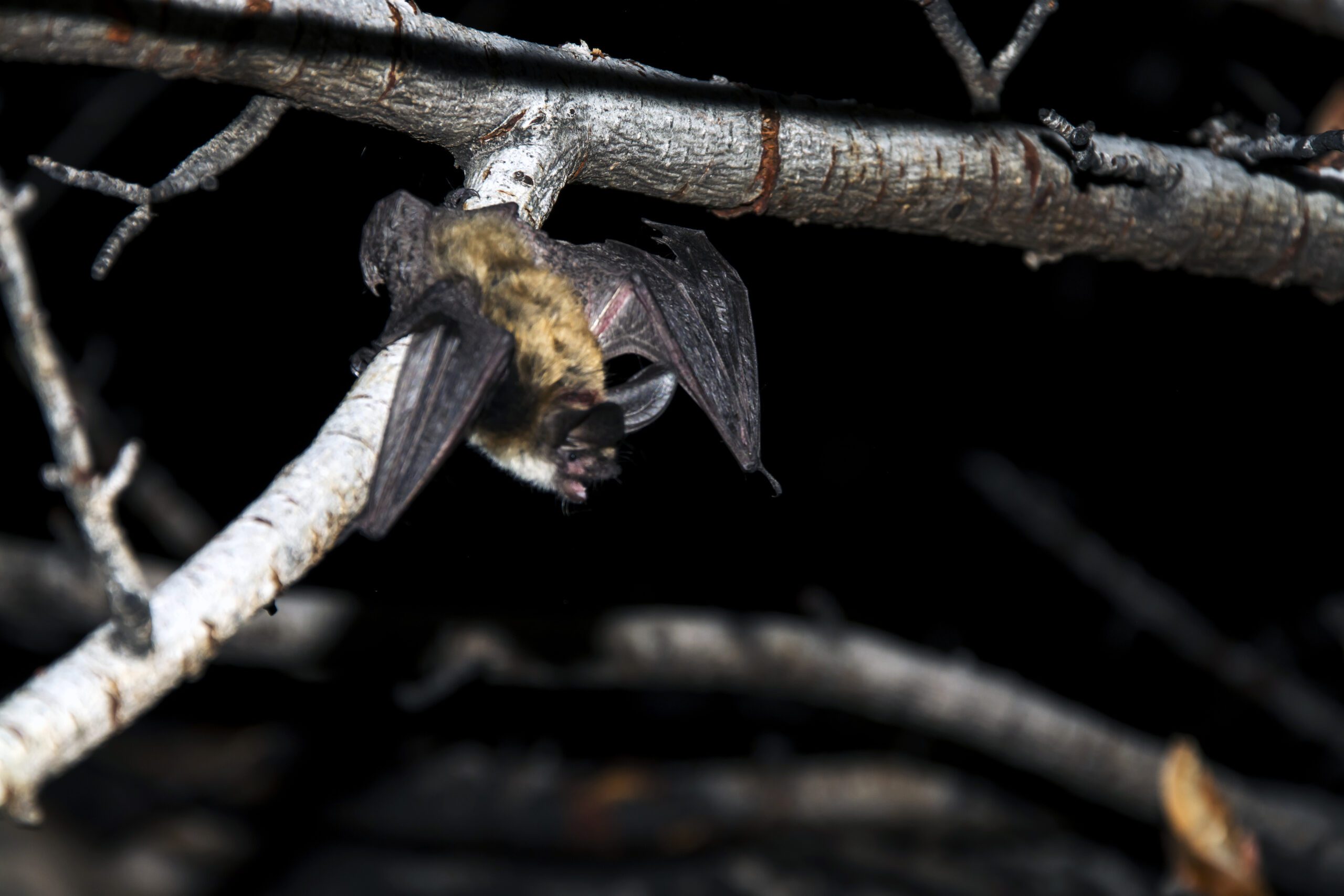
Long-eared Myotis tree release
If You Discover a Bat Inside Your House
Never handle a bat with bare hands. If contact occurs, contact your local health department immediately due to the risk of rabies. If a bat is simply flying around indoors:
Turn off interior lights and open a door or window.
Leave the room so the bat can exit on its own.
If needed, you can remove the bat by:
Wearing leather gloves, placing a container over the bat, and sliding cardboard under to trap it.
Releasing the bat outdoors onto a high object like a tree.
If bats frequently rest on porches or overhangs, try hanging streamers, CDs, or balloons that move in the breeze to deter them.
Preventing Bats from Roosting
Use attic fans to make spaces less inviting.
Inspect chimneys, siding, and rooflines for gaps.
Seal cracks after pups are mobile—typically in the fall.
Bird netting can serve as a one-way exit when installed properly in late summer.
Avoid sealing entrances during maternity season (May–August). For detailed instructions and more resources, visit Wild Aware Utah.