With dry conditions intensifying across the state, Utah is bracing for what’s expected to be a higher-than-average wildfire season. In response, state and federal officials gathered Tuesday afternoon at This Is the Place Heritage Park in Salt Lake City to outline new strategies, raise public awareness, and issue a unified call to action: practice Fire Sense.
Governor Spencer Cox, alongside leadership from the Utah Department of Natural Resources, Bureau of Land Management, and Forestry, Fire and State Lands, emphasized that the vast majority of wildfires in Utah are preventable—and this year, prevention will be critical.
“Utahns love our open spaces, our forests, our trails,” said Governor Cox. “But we must be better stewards when fire danger is this high. One careless spark can become a disaster for entire communities.”
A Season Shaped by Drought and Risk
While Utah has seen some moisture this year, officials from Great Basin Predictive Services highlighted that persistent drought conditions and warming temperatures have created a volatile fire environment, particularly in central and southern parts of the state.
Updated regional maps presented at the press event showed areas of elevated concern, with dry grasses and wind-prone terrain heightening the risk.
“This isn’t just a southern Utah problem anymore,” said Jamie Barnes, Director of Forestry, Fire and State Lands. “It’s a statewide issue, and we’re asking all Utahns—north to south—to rethink their behavior outdoors.”
Fire Sense in Action
Human-caused wildfires remain a leading threat in Utah, with common culprits including:
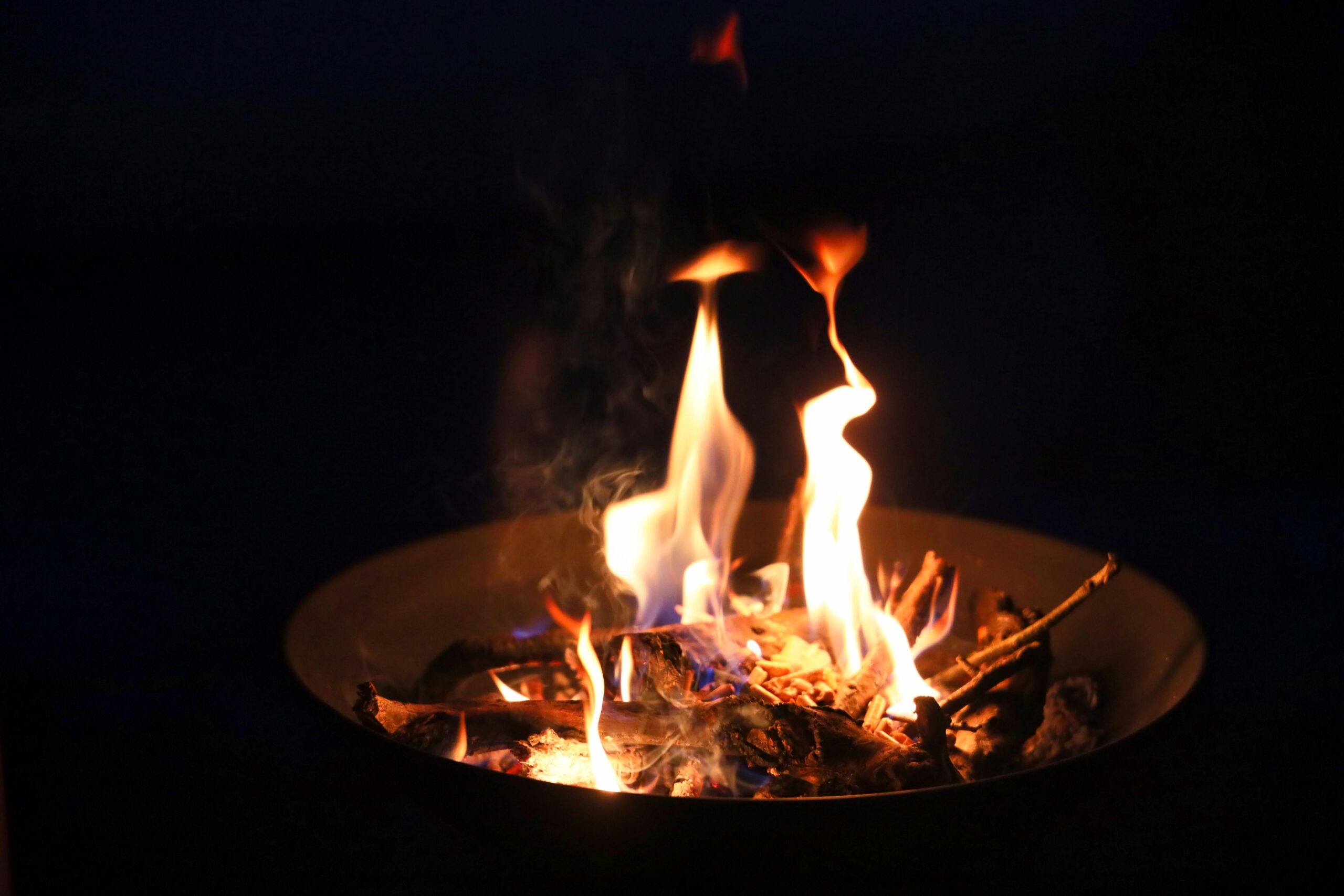
- Unattended campfires
- Sparks from dragging trailer chains
- Unauthorized debris burning
- Mismanaged target shooting
- Vehicles idling or parked on dry grass
Fire Sense, a statewide education initiative, urges residents to take simple steps to reduce risk—such as carrying a shovel or fire extinguisher when recreating, fully extinguishing campfires, and checking local fire restrictions before starting any burn.
“We’re not just responding to fire—we’re working to get ahead of it,” said Chris Delaney, State Fire Management Officer with the BLM. “The more the public understands the risks, the safer we all are.”
Coordinated Efforts, Ground-Level Impact
This year’s fire readiness plan includes additional federal and state resources for early response, expanded patrols in high-risk areas, and public education campaigns across multiple platforms.
Statewide fire equipment was on display at the event, underscoring the scale and readiness of Utah’s firefighting teams.
Officials urged residents to sign up for regional alerts, follow burn restrictions, and report suspicious or dangerous activity that could lead to ignition.
“Preparedness isn’t a government-only job,” said Joel Ferry, Executive Director of the Utah Department of Natural Resources. “It takes everyone—from trail users to weekend campers—to protect the landscapes we all love.”