

Water Crisis Reality Check
– By James McFadden –
As I put this together, it is raining outside and there is a flash-flood warning in place for Kane County and Washington County as Zion National Park is hit with almost an inch of rain in under an hour. That is great news and yet, not great news since the ground is so hard and dry it is just going to come barreling down our washes, but we do need the rain and the water so…
The worst drought in decades continues to impact Utah and the Utah Divisions of Water Resources and Water Rights are closely monitoring and responding to conditions.
I can remember some years back, we had three or four really nice thunderstorms roll through Washington County by this time of the year.
The following measurements and information provide context to Utah’s current drought conditions, water storage, stream flows and the allocation of water rights.
Utah’s drought conditions are serious. The intensity and the fact that we have not had any recent relief have created this extreme situation. The state’s dry conditions during April and May and record high temperatures in June continue to elevate our desperate drought conditions.
- Air temperatures for the first half of June were 9.4 degrees Fahrenheit above average.
- On average, the entire state was drier than normal, during the last few weeks by approximately 0.16 inches (7-day departure from average).
- Soils are 12% drier than average, with soil moisture for the last week of June at 42.2% saturation, compared to an average of 54.7% saturation.
About 95% of Utah’s water comes from snowpack. This state-wide average ranges from around 75% in the southwest corner to over 95% in the northern part near the Weber Basin headwaters. Different-sized reservoirs are located throughout the state to catch and store runoff. Small reservoirs store about one year’s worth of water, while larger reservoirs, like Strawberry or Jordanelle, store several years’ worth. Reservoir storage helps to prevent water shortages and is dependent on snowpack and runoff.
- Major reservoirs statewide are currently 63% of available capacity.
- 21 of 42 of our largest reservoirs are below 55% of available capacity.
- On average, current reservoir levels are below September 2020 levels, toward the end of the irrigation season. This is significant considering the majority of Utah’s watering season is ahead of us.
- Several Bureau of Reclamation reservoirs are below any previous storage and elevation level in the last 30 years, including Lake Powell, Rockport and Steinaker.
- The Great Salt Lake’s current elevation is 4,191.9 feet, about five inches from its historic recorded low level (4191.4 feet) documented in 1963.
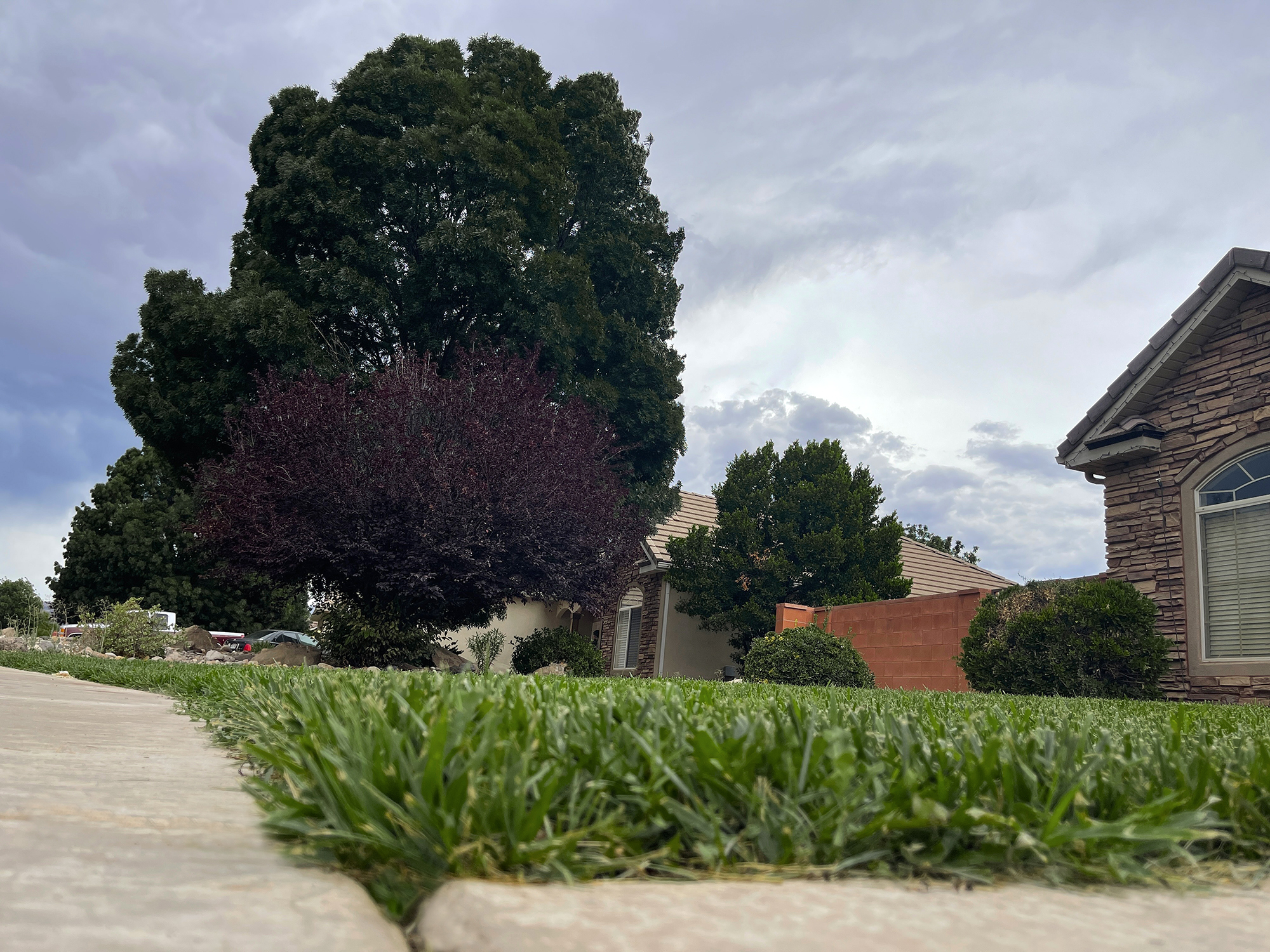
So as state and local authorities issue warnings and ask for businesses and residents to cut back water use, I am here to tell you it is serious, and it is necessary. My family has already cut our water use by over 30% and if we have to let the lawn die, so be it. One tip that has saved my lawn so far? I mow it at almost 5” high, it’s greener and grows faster than normal even with a significant reduction in watering from the opening of the season. I’m here to tell you it works. Cut your lawn to the highest level you possibly can and you just might be surprised.
Viewpoints and perspectives expressed throughout The Independent are those of the individual contributors. They do not necessarily reflect those held by the staff of The Independent or our advertising sponsors. Your comments, rebuttals, and contributions are welcome in accordance with our Terms of Service. Please be respectful and abide by our Community Rules. If you have privacy concerns you can view our Privacy Policy here. Thank you!
Click here to submit an article, guest opinion piece, or a Letter to the Editor





Thank you for a really informative article Mr. McFadden.
We are rapidly approaching a crisis level, not only with water, but also our electrical grids.
Somehow we need to convince out “leaders” that this insane level of building and growth that they are promoting needs to be scaled back… and perhaps cut altogether for a while.
As an alternative, any new developments should be required to operate primarily on solar power, and also have water recycling systems.
Cheers,
Rick Miller
Thank you James for pulling all this info together for Indy readers. It is so important to cut back on water use, and yet, I still see water running down our gutters. I have to try and be kind by thinking that perhaps those folks are cutting back on their other water use while still watering their lawns. Who knows? Your advice about cutting lawns higher is exactly right. When we had a back lawn, before removing it this May, I asked my lawn crew to cut it higher but they often didn’t remember and said it’s tough to remember because so many of their customers want their lawns cut low. This is a tough battle given the mind set here when it comes to water use. We’ll just keep pushing the message and hope it works. And thanks to Rick Miller for your comments, too!