
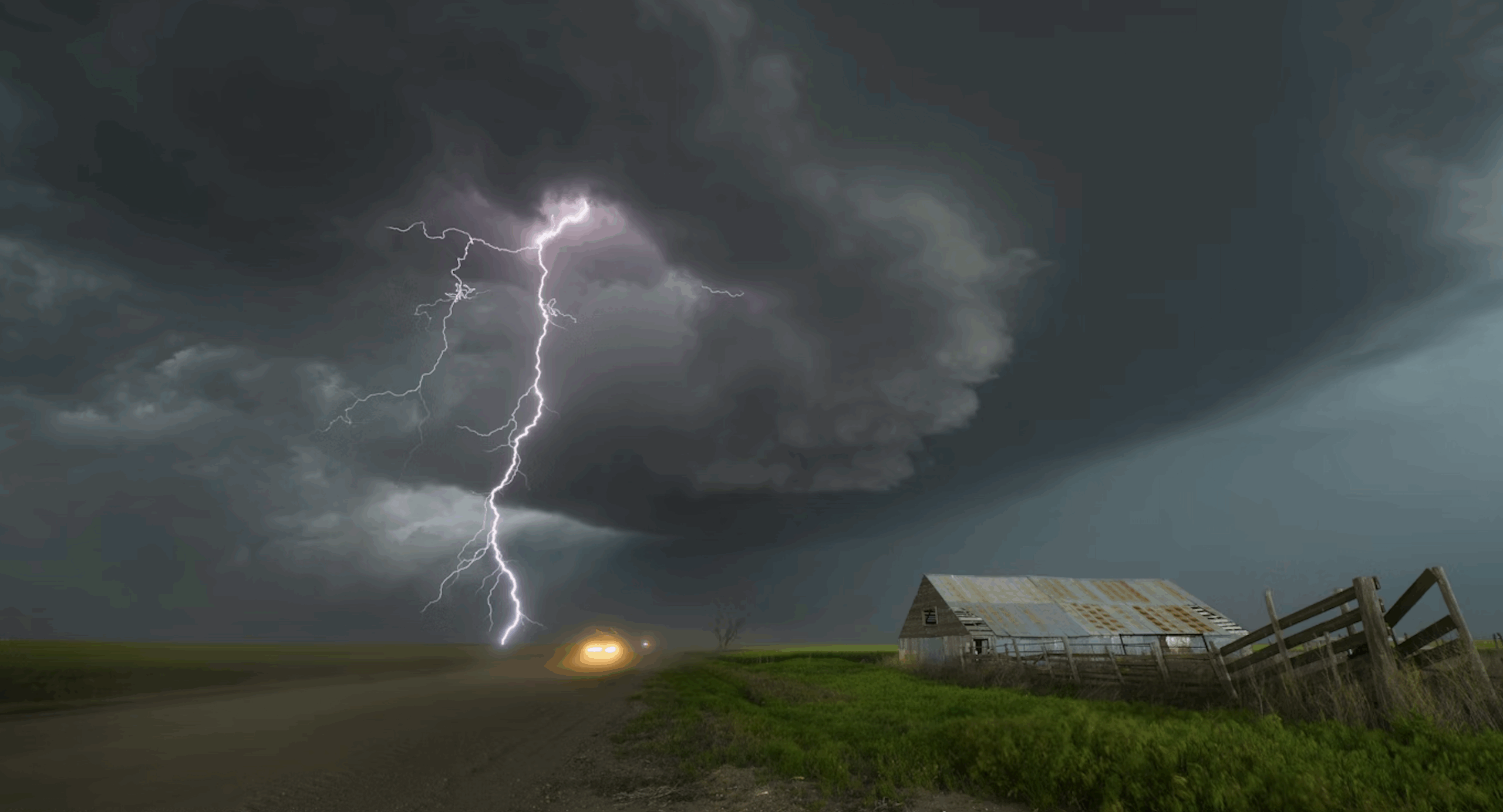
In the dry, red-rock deserts and pine-covered plateaus of the Southwest, fire season doesn’t always start with a blaze. Sometimes, it begins with a whisper — a single lightning strike, a plume of invisible smoke, and a smoldering ember that waits days or even weeks before bursting into flames.
These types of delayed wildfires, often called “sleeper fires,” are ignited by lightning but lie dormant under the surface. They burn slowly in organic duff layers, tree roots, or thick brush, undetected until conditions change — wind shifts, temperatures spike, or humidity drops — and the fire emerges into open terrain.
How It Happens
Lightning-generated fires are common throughout the West, particularly in areas with frequent thunderstorms and drought-prone fuels. But not all lightning strikes cause immediate fire activity. When a lightning bolt strikes a tree or the ground, it can ignite flammable material beneath the surface. If the surrounding environment is cool or moist enough, the fire may linger without visible flames.
As weather conditions dry out and temperatures rise, that buried ignition point can suddenly flare up — sometimes long after the initial storm has passed. These sleeper fires can catch communities and fire personnel off guard, especially if the area has already been deemed safe.
Fires in Focus: Recent Examples
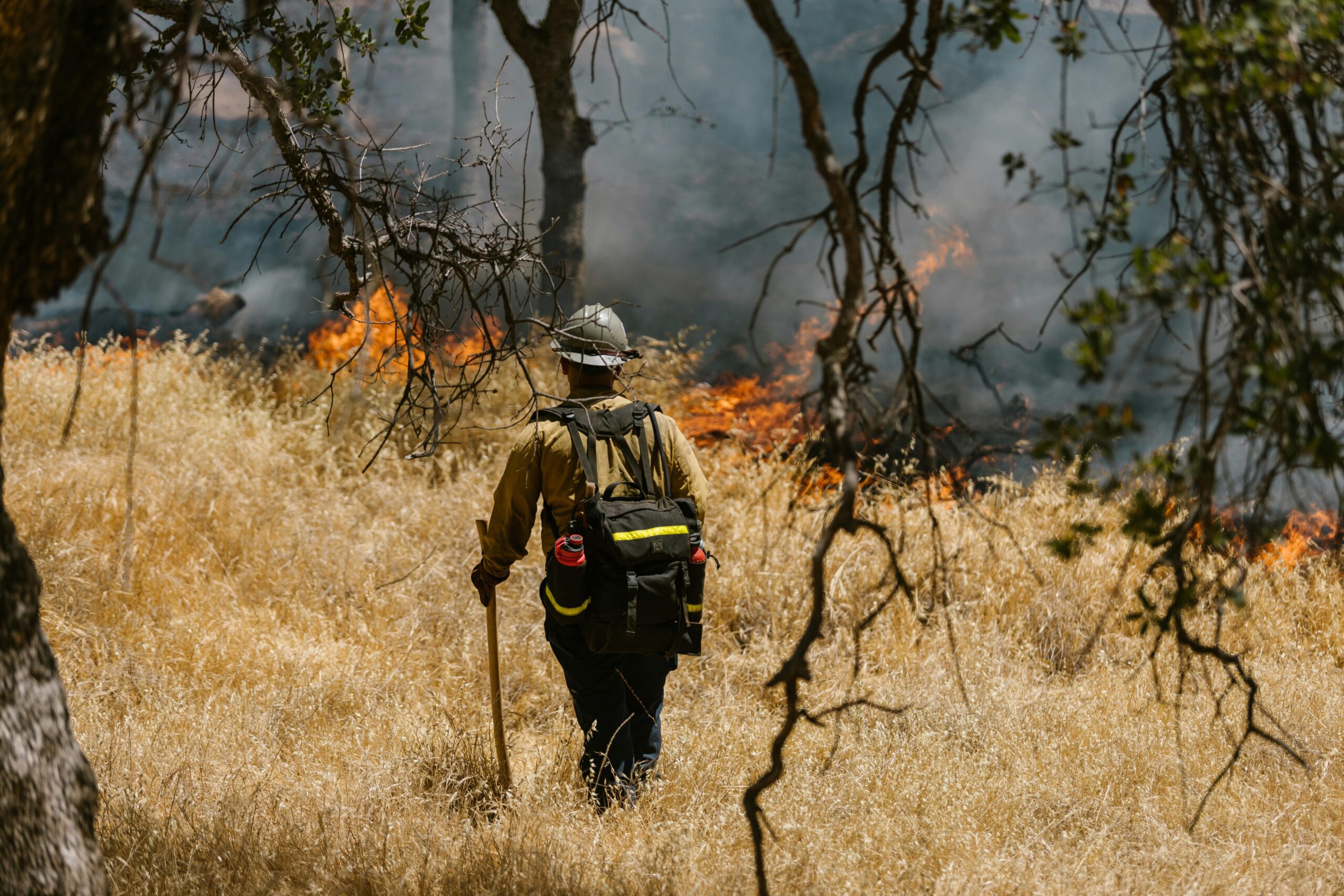
In Southern Utah and Northern Arizona, sleeper fires have made headlines in recent weeks. Three active wildfires in our region began as lightning strikes, each demonstrating how unpredictable nature can be:
- France Canyon Fire (Garfield County): Now over 23,000 acres, this fire was first reported days after a lightning storm and continues to challenge crews with red-flag weather.
- Forsyth Fire (Pine Valley): Sparked by lightning, the Forsyth Fire has grown to over 7,000 acres with zero containment. It continues to threaten structures and remains highly active in rugged terrain.
- Bridge Creek Fire (Navajo Mountain): Reported on June 13, this fire expanded to 2,219 acres after red-flag winds accelerated smoldering hotspots in steep, inaccessible terrain.
You can read full updates on each of these fires by visiting our Fire & Outdoors coverage section.
What Really Causes Wildfires?
While lightning is a natural cause of fire, it’s far from the only one — or even the most common. According to the National Interagency Fire Center (NIFC), here’s how wildfires typically ignite in the U.S.:
- Human-Caused Fires: ~85%* **
- Campfires left unattended
- Burning debris
- Equipment malfunctions (e.g., chainsaws, vehicles)
- Arson
- Power lines
- Fireworks and open flames
- Natural Causes: ~15%
- Lightning is the primary natural cause
In dry climates like Utah, a single spark — whether natural or manmade — can lead to rapid fire spread due to flammable vegetation, low humidity, and high winds.
How Firefighters Monitor Sleeper Fires
Detecting sleeper fires requires a combination of technology and local knowledge. Aerial surveillance, satellite imagery, heat-detecting cameras, and patrol crews play vital roles in locating heat signatures that may be hidden beneath forest canopies or desert soils.
Once identified, these fires are often managed aggressively to prevent sudden flare-ups. Fire lines are built, backburning techniques are used to eliminate fuel, and water or retardant drops may be deployed.
What You Can Do
Even if a fire isn’t actively burning, conditions can change fast. Here’s how to stay prepared:
- Check local fire danger levels and restrictions
- Report any signs of smoke or unusual heat to authorities
- Avoid off-road driving or activities that could cause sparks
- Prepare a go-bag and evacuation plan during fire season
As we continue to track fire activity across the region, stay informed — and remember that fire doesn’t always start with flames.
For the latest fire updates, visit our homepage or follow us on social media.
Contact Info:
- France Canyon Fire Info: 2025.FranceCanyon@Firenet.gov | 435-258-9909
- Forsyth Fire Info: 2025.forsyth@firenet.gov | 435-280-2263
- Bridge Creek Fire Info: 2025.bridgecreek@firenet.gov | 928-465-7558